
Artificial Gating vs. Natural Gating
The Demographic Choices That Can Kill a Startup or Deliver Venture Scale

This post has been almost eight years in the making. I first wrote the words ‘artificial gating’ a decade ago, and it became a quiet framework for how I think about a startup’s growth potential. Over the years, I hesitated to publish anything about it because it was likely to be misunderstood. But it’s become such an important way that I think about companies that it’s worth writing about.
In tandem with technology, demographic change is one of the driving forces behind today’s market expansion. Demographic changes are broad shifts in population over time that materially impact user behavior and long-term demand. In venture, these changes signal emerging market opportunities, shifts in product-market fit, and the expansion of addressable markets.
But looking through a demographic lens has sometimes caused founders to do unnatural things to narrow their market. As a founder, you could end up honing your base prematurely, defining your users too rigidly, or creating a product that feels more “for these people” than “for the way these people behave.”
That is artificial gating.
I’ve invested in artificially gated startups, and other smart investors have too. Artificially gated startups are not inherently bad or wrong, but, like any startup, they can be more or less likely to result in companies that scale to the size needed in venture.
Natural gating, on the other hand, occurs when users behave in ways that create a product targeted to their behavior — not because of who they are, but because of how they behave.
The divide between these two concepts is this: built for a group vs. built for a behavior that happens to correlate with a large group.
What is Artificial Gating?
An artificially gated product is one where you, the product builder, proactively decide to build only for a specific demographic and narrow the company’s scope to that group. The gating is founder-imposed, not behavior-led.
This isn’t the same as starting with a beachhead market. A beachhead exists so you can focus on a singular use case, find product-market fit, and then expand outward. Artificial gating is not built for expansion; it’s just labeling.
Examples are everywhere: I’ve seen pitches for “Robinhood for women”, “LinkedIn for Black professionals”, etc.
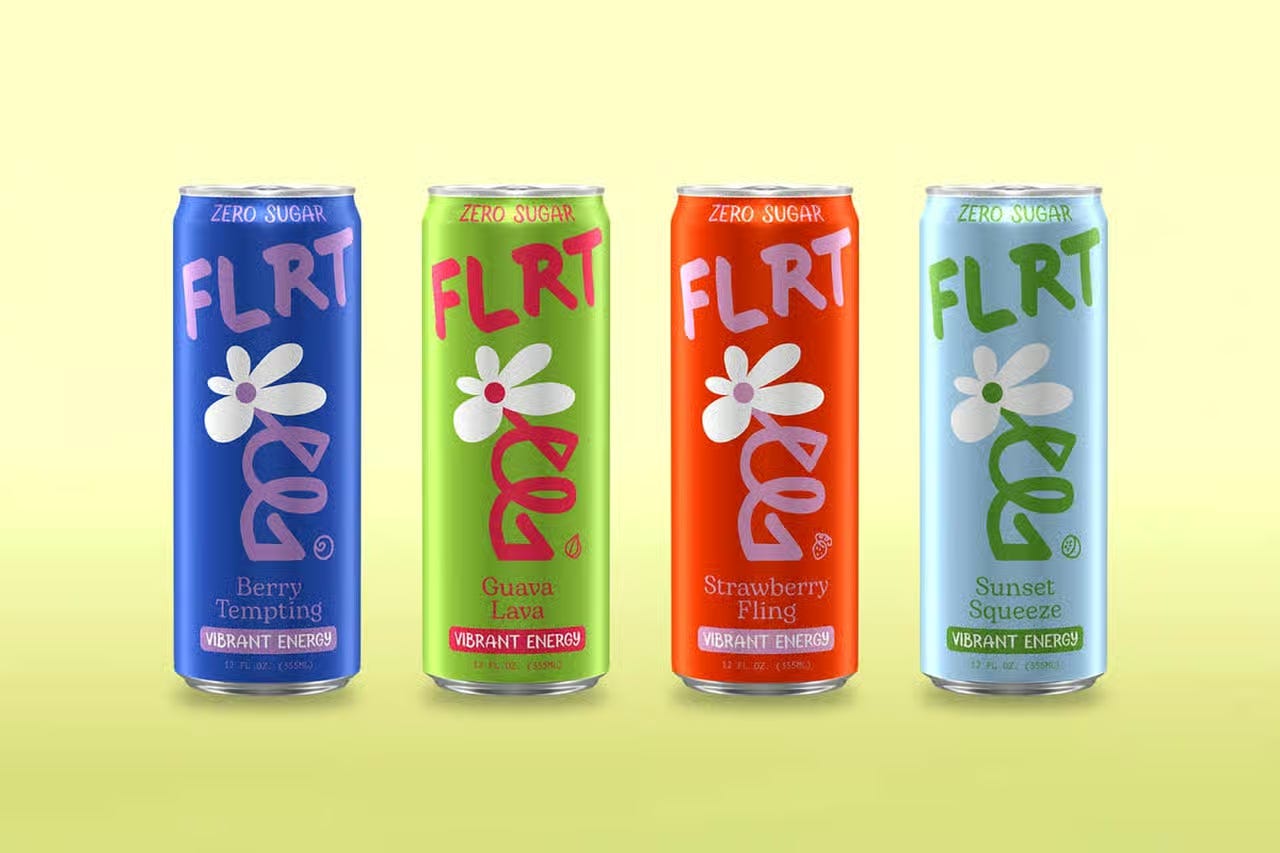
Even the recent example of Flrt, a female-focused energy drink that Monster Energy plans to release this year, leans into artificial gating.
Monster Energy conceived Flrt in response to high-wellness, low-sugar trends and will compete with similar drinks in the quasi-wellness space, like Bloom Nutrition, Celsius, and Alani Nu. While the drink itself aligns with consumer wellness trends, its most noticeable differentiators are a slim can, softer colors, and the addition of collagen.
Even before the public release, commenters in Reddit’s r/monsterenergy and r/energydrinks communities criticized the female-focused energy drink, calling it “cringe” and “pandering to an audience that doesn’t want to be pandered to.”
Another user commented,“honestly, to me it just kinda seems like they don’t want women to be drinking monster” [sic].
We have seen this movie before with so many companies that went the “shrink and pink” route. Most consumers don’t want an identity-wrapped version of something that already works.
Artificial gating also happens in the enterprise. There was an entire era of software built for HR managers (a career dominated by women) that emphasized “delightful UX”, “community”, “inclusive culture”, but ignored compliance workflows, reporting requirements, and integration with payroll and benefits systems. These tools lost to companies like Workday, Rippling, and Gusto, who focused on jobs-to-be-done, not identity.
Even in jobs that naturally skewed toward one demographic, the buyer wants a product that sits within critical workflows and doesn’t lean into perceived surface-level identity at the expense of behavior and frequency of use.
Artificial gating limits companies because:
It shrinks TAM and makes it more difficult to achieve scale.
It alienates potential customers.
It creates user distrust.
This is not to say artificially gated products can’t solve real pain points. Many founders start building for the user who feels the problem most acutely, but a solution built solely around identity usually won’t reach venture-scale.
What is Natural Gating?
A naturally gated product is one in which differentiated user behaviors clearly point to a distinct opportunity or inefficiency that can be solved. It’s not a marketing layer; it is based on behavior.
Building for a natural gate means identifying where the user pain is the highest. Deep consumer pain points in large markets are a good starting point.
RevAir released a $400 hair dryer that went viral in natural hair communities. The hair dryer has never been exclusively marketed as ‘only for Black women’, but Black women make up a significant number of their consumers because it solves the time-consuming ‘wash day’ pain point for women with coily and curly hair.
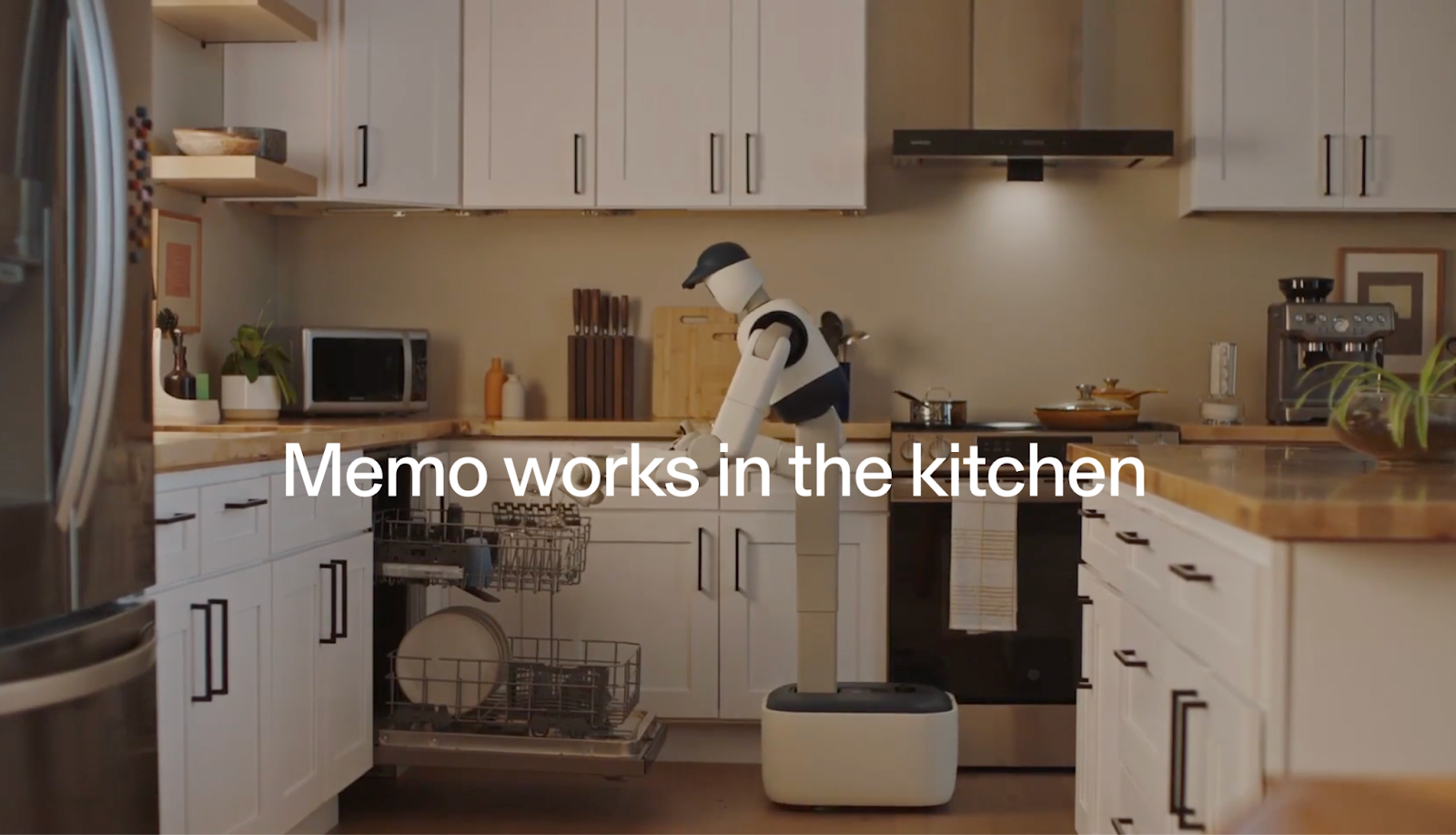
Sunday Robotics is building Memo, a home robot that has the skills and dexterity to offload tasks from the kitchen to the laundry. And Syncere’s Lume is a robotic lamp that can also fold your clothes. These are areas where the family caregiver (often a woman) overwhelmingly bears the task burden. No one needs to say, ‘this is a product for women’ ‘or ‘this is a product for older people’, but they are both examples of where robotics can naturally impact the lives of women and people with declining mobility.
Millie and Midi both represent a large market within specialized healthcare. Millie focuses on maternal health, and Midi addresses mid-life hormonal changes via a telehealth clinic for menopause. Both are naturally gated by the needs of their users. People who do not experience pregnancy or menopause aren’t the target users of the product. It’s a clear natural gate.
There are also naturally gated products in the enterprise and SMB markets.
Companies are using technology — especially AI — to fast-track innovation in industries where demographic shifts are apparent in both the workforce and the end users. The application of AI across sectors like healthcare and manufacturing will change the work lives of a diverse workforce and deliver new ways of working in industries that have traditionally seen less innovation. Many such cases.
Owner.com is built for restaurant owners and their deskless workers. When your local sushi or taco restaurant wants to sell online directly to their customers instead of taking the haircut on delivery apps, this is the product they choose. Products like Owner and Toast optimize online ordering/delivery, front-of-house POS, and payroll, and are purpose-built for shift-based work and small businesses looking to improve their operations. Restaurant operations are different from white-collar office work, and the product reflects that.
This is what it means to address the problem by acknowledging the people.
Founders can and should be unapologetic about the problem and the people they are building for. But if your differentiator is rooted in behavior rather than identity, you stand a much better chance of building a category-defining company.
Natural gating isn’t a magic bullet. You can still build a naturally-gated product in a market that is too small, too saturated, or too early. But artificial gating will almost always limit your ability to scale, because it isn’t fundamentally anchored in behavior.
Explore my other writing on demographic change.
Demographic Revolution: First Slowly, Then All at Once
Navigating the Silver Economy: Aging, Care, and Who’s In Charge
Finding Alpha: The Trillion Dollar Female Economy
Gray New World: Aging in the Time of Technology
Love this! And glad you're here writing on Substack. The world needs your voice Monique